
PROGRAMMES · IRELAND
Cold Storage Construction
Assess temperature-controlled facilities for food, life-sciences or other scoped cold-chain needs.
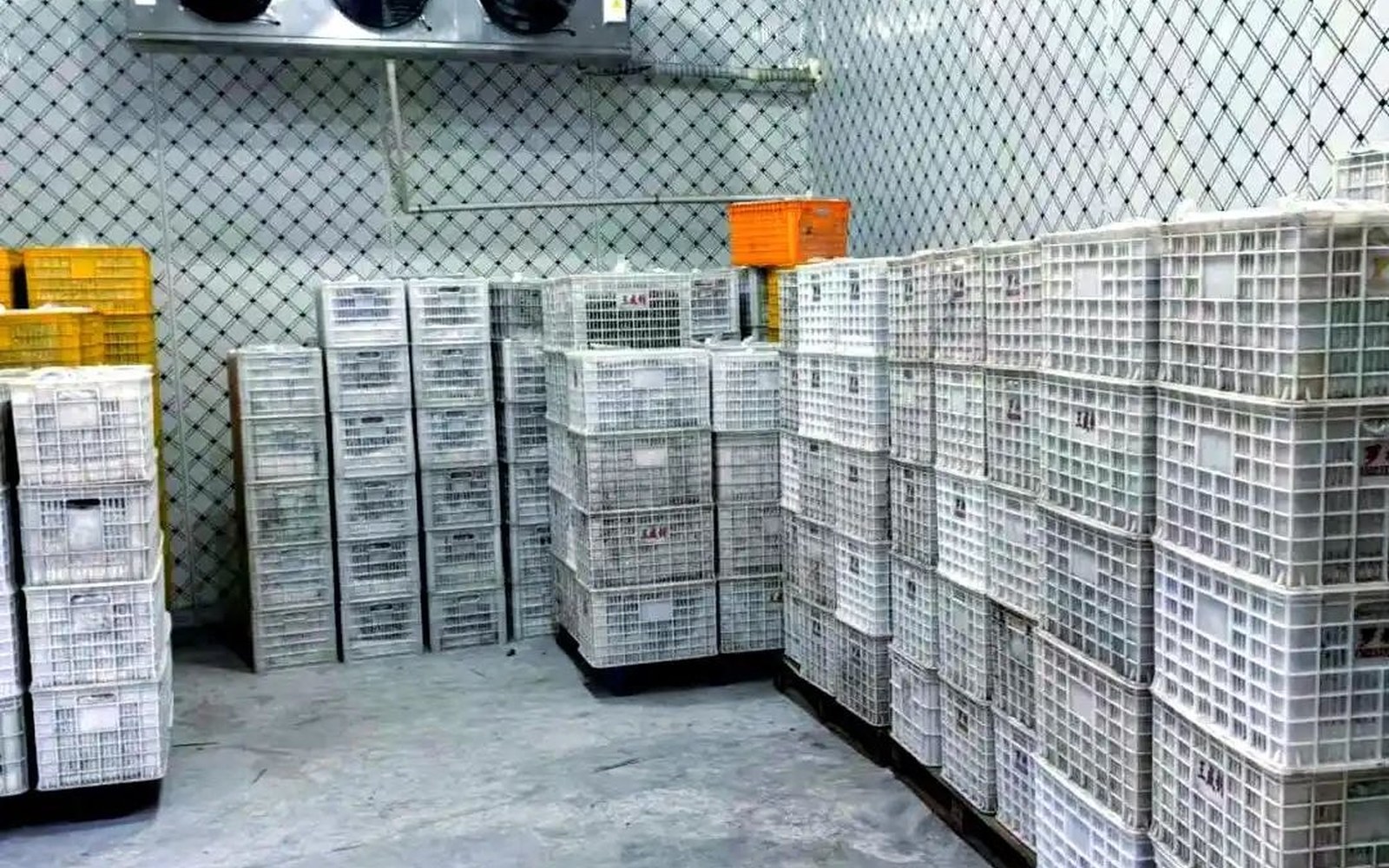
10,000 – 15,000 pallets
Demand signalled by a single national food distributor — on its own the size of a proposed first phase.
50,000 frozen + 20,000 chilled
Full-scale facility described in the project technical paper, for the market as a whole.
≈ €102M
Construction cost estimate for the full-scale facility — planning reference, not a quotation.
Project context
Cold storage is an operating system as well as a building: the temperature profile, product dwell time, door activity, peak throughput and recovery after an interruption determine the facility concept. Food, pharmaceutical and other cold-chain uses must be scoped separately because their quality controls and evidence can differ.
Market need
Cold-chain capacity is identified in Ireland's national infrastructure planning, with Waterford named as a port location for this kind of development; support is discretionary and must be applied for. Food, pharmaceutical and other temperature-sensitive supply chains need reliable cold-storage capacity, monitored temperature performance and coordinated onward distribution.
Target market
Initial assessment in Ireland, with potential service to Irish customers and cross-border routes subject to sector, product, facility and customer requirements.
Proposed scope
Define product groups, required temperature bands, ambient conditions, capacity, pallet/handling profile and service hours before sizing the envelope and refrigeration plant. Compare a dedicated build with retrofit or third-party cold-store capacity, including energy, monitoring, contingency and distribution interfaces.
Stakeholders to align
Bring together product owners and cold-chain customers, facility operator, refrigeration and building-services engineers, architect/contractor, controls and monitoring vendors, energy/utilities providers, quality specialists and transport partners. The operator and customer must agree temperature limits, excursion response and record access before design freeze.
Local implementation model
Validate demand and temperature profile, assess site and utilities, select facility and refrigeration design, confirm permits and environmental controls, then plan build, commissioning, qualification and operations. Specialist design and verification are essential.
Logistics role
Coordinate construction and refrigeration equipment deliveries, then map inbound booking, temperature-controlled handling, monitoring, contingency and outbound distribution workflows.
Evidence and delivery considerations
Plan for design calculations, equipment and refrigerant records, alarm/monitoring configuration, calibrated sensor records, commissioning and temperature-mapping results, maintenance plans and incident procedures. For regulated or customer-controlled goods, define qualification, excursion disposition, data retention and chain-of-custody with the responsible quality owner; never infer suitability from a building temperature setpoint alone.
Suggested implementation sequence
- 01
Profile products, temperature bands, throughput, dwell time, peak loads and service levels.
- 02
Validate demand and compare site, grid/power capacity, energy cost and operating models.
- 03
Develop a specialist refrigeration concept with controls, alarms, backup and environmental review.
- 04
Build or retrofit, commission systems, verify temperature performance and train the operating team before accepting product.
Product, technology & labour needs
- Defined temperature bands, storage capacity, throughput, dwell time, product mix and resilience requirements.
- Insulated envelope, refrigeration plant, controls, monitoring, alarms, backup power and suitable material handling.
- Refrigeration engineers, construction and MEP teams, food / quality specialists, operators and maintenance staff.
Resources to coordinate
- Cold-chain customers, temperature-sensitive product owners and experienced facility operators.
- Refrigeration, insulation, racking, monitoring, controls and backup-power specialists.
- Site, utilities, planning, environmental, fire, construction, commissioning and maintenance partners.
Compliance workstreams
- Building, fire, planning and environmental requirements depend on the site and facility scope.
- Refrigerants, energy performance, emissions, wastewater and waste controls may require assessment under applicable rules.
- Food hygiene, traceability or pharmaceutical quality requirements apply only as relevant to the products and operating model.
Risks & dependencies
- Customer demand, temperature ranges, throughput and product mix must be validated before facility sizing.
- Power availability, energy cost, refrigerant choice, environmental permissions and resilience affect viability.
- Food and pharmaceutical cold-chain obligations differ; no qualification or operating readiness is implied.
Next actions
- Specify products, temperature bands, storage profile, throughput, peak loads and required service levels.
- Assess customer demand, candidate sites, grid capacity, energy and environmental constraints.
- Develop a concept brief for specialist refrigeration design, cost planning and compliance review.
Register interest or submit a capability
Share a project need or register a relevant product, technology or delivery capability.