
PROGRAMMES · IRELAND
Food Packaging Printing
Assess food-contact packaging print capability and a staged route toward local production.
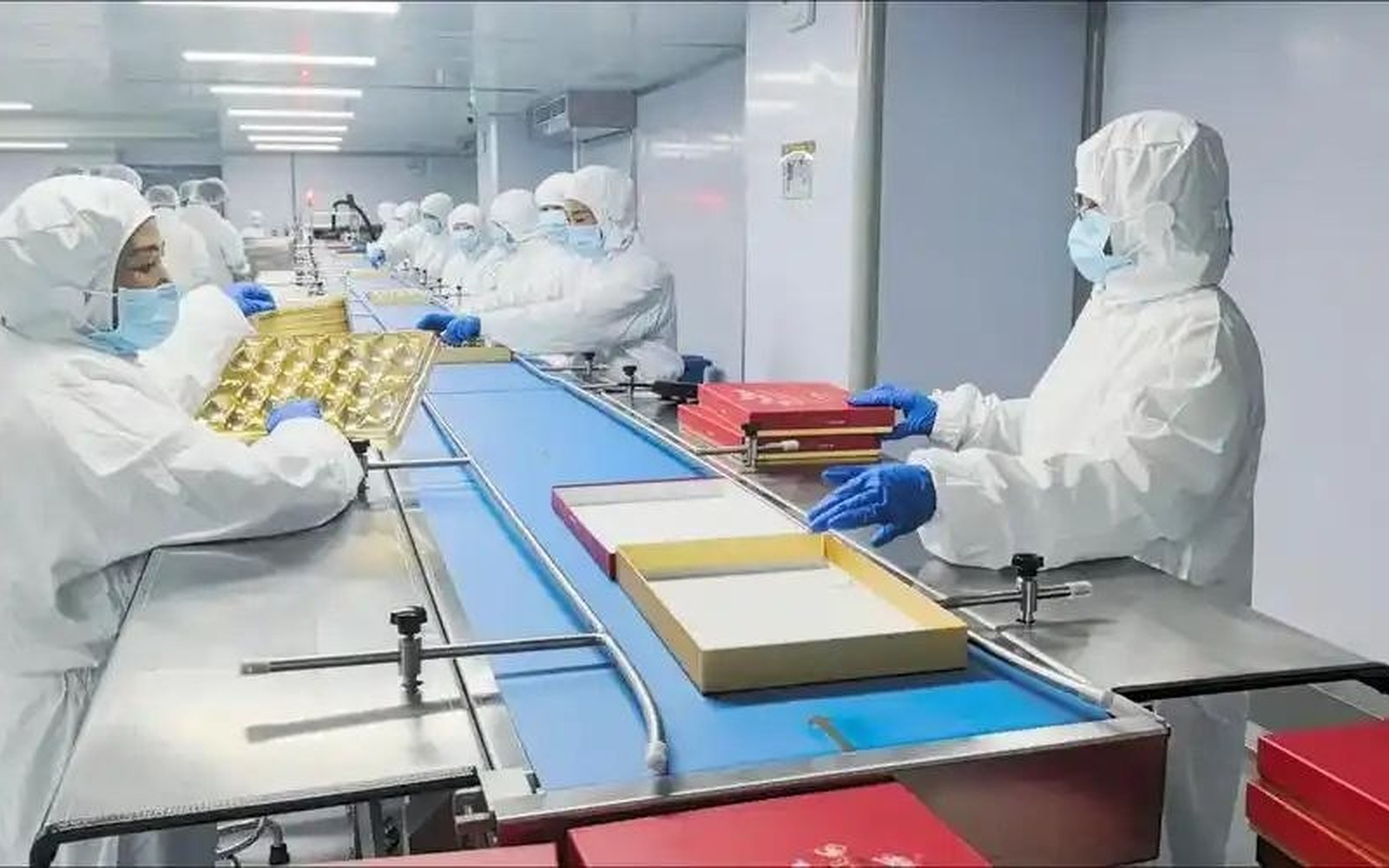
Project context
The opportunity concerns printed packaging for food producers that want dependable replenishment and packaging matched to their product, brand and production schedule. The starting point is a defined packaging use case, not an assumption that one material or print process suits every food.
Market need
Food producers and packaging buyers need reliable printed packaging that meets the intended food-contact use, customer specifications and supply continuity needs.
Target market
Initial Ireland assessment, with potential customer and distribution routes into the UK, wider EU and North America subject to market-specific review.
Proposed scope
Start by selecting a small set of packaging formats and substrates, then compare imported finished packs, local converting/printing and contract production. A production concept should specify print technology, run sizes, changeovers, quality checks, storage and a route to scale only if customer demand is evidenced.
Stakeholders to align
Align food manufacturers and packaging buyers with packaging designers, substrate and ink suppliers, print/converting operators, quality and food-safety leads, laboratories, equipment integrators and local delivery partners. Buyers must confirm specifications and forecast volumes before equipment or site commitments.
Local implementation model
Compare imported finished-packaging supply, equipment-led local printing, contract production and a staged local facility. Any site, customer and investment plan needs independent feasibility and partner confirmation.
Logistics role
Plan inbound substrate, ink and equipment movements; protect print materials in storage and coordinate delivery schedules with customer production demand.
Evidence and delivery considerations
Keep a controlled specification for each packaging component, supplier declarations, migration/test reports where applicable, artwork approvals and batch/lot traceability. Delivery planning should cover ink and substrate storage, print-quality acceptance, production lead times, transit protection and change control; evidence requirements must be confirmed for each material and use.
Suggested implementation sequence
- 01
Specify food type, contact conditions, pack format, substrate, inks and destination markets.
- 02
Validate buyer specifications, likely volumes, seasonality and replenishment expectations.
- 03
Review material and process evidence with qualified food-contact specialists and testing laboratories.
- 04
Compare supply and local production options, then scope partners, utilities, staffing and pilot runs.
Product, technology & labour needs
- Food-contact packaging substrates, inks and coatings; print process and intended-use evidence.
- Printing, converting and inspection equipment; production controls, colour management and traceability.
- Local print operators, quality staff, maintenance technicians and customer-facing technical support.
Resources to coordinate
- An existing route to market: wholesale and food-service distribution partners already selling into the Irish food sector.
- Packaging and print suppliers, equipment integrators and material/testing laboratories.
- Site, utilities, fit-out, installation, commissioning, maintenance and trained operators.
- Local food-industry customers, quality advisers, packaging designers and distribution partners.
Compliance workstreams
- Assess applicable food-contact materials rules, intended use, migration testing and declarations.
- GMP may apply; customer requirements and BRCGS / ISO 9001 / ISO 14001 / ISO 22000 scope require confirmation.
- Map site planning, fire, environmental, wastewater and production-record obligations where applicable.
Risks & dependencies
- Food-contact suitability and customer specifications vary by material, use and destination.
- Local demand, site utilities, equipment selection, qualified staff and economics remain unverified.
- Testing, documentation, suppliers and any certification route require competent-party assessment.
Next actions
- Define packaging formats, substrate, inks, intended food contact and priority customer requirements.
- Collect product specifications, test reports and supplier quality records for an initial gap review.
- Compare supply-only and local production models with potential Irish customers and delivery partners.
Register interest or submit a capability
Share a project need or register a relevant product, technology or delivery capability.